Working at Height Training for Warehouse Staff

4.9 (18 REVIEWS)
125 STUDENTS

GET THIS COURSE AND 2500+ OTHERS FOR ONLY £49 FIND OUT MORE

Working at Height Training for Warehouse Staff is designed to equip warehouse employees with the essential knowledge and skills to work safely when operating above ground level. It focuses on preventing falls, understanding hazards, and using access equipment correctly in busy warehouse environments. This training is critical for reducing workplace accidents and ensuring compliance with UK safety regulations.

In warehouse operations, working at height is a daily reality—from using ladders and step stools to operating MEWPs and accessing storage racks. Without proper training, even routine tasks can become high-risk activities. This course builds strong awareness of safe systems of work and fall prevention strategies.

Learners will also gain a clear understanding of legal responsibilities, equipment safety checks, and emergency response procedures. The course promotes a proactive safety culture where risks are identified and controlled before incidents occur.

Sneak Peek

Learning Outcomes

This course develops practical competence and safety awareness for warehouse height-related tasks.

  • Understand key risks associated with working at height in warehouses
  • Recognise UK legal requirements under Working at Height Regulations
  • Conduct basic risk assessments for height-related tasks
  • Select and use appropriate access equipment safely
  • Inspect ladders, platforms, and equipment before use
  • Understand fall protection systems and PPE requirements
  • Apply safe procedures when using ladders and MEWPs
  • Respond effectively to accidents and emergency situations

Certification

  • Instant digital certificate available upon completion
  • Printed certificate available for delivery (postal charges may apply)
  • Certification is recommended to be renewed every 3 years to stay updated
Training-Express-Certificate-CPD-QS-1-1

Accreditation

This course is fully accredited by CPD and endorsed by QLS, ensuring recognised standards of quality and learning.

Who Should Take This Course

This training is essential for anyone working in warehouse environments where tasks involve elevation or access equipment.

  • Warehouse operatives and pickers
  • Supervisors and team leaders
  • Maintenance and facilities staff
  • Forklift and MEWP operators
  • Health and safety personnel

Anyone responsible for accessing storage areas or elevated platforms should complete this course to ensure safe working practices. It is especially important in high-volume logistics environments.

Why Take This Course

Working at height remains one of the leading causes of serious workplace injuries in warehouses. Proper training ensures employees understand how to reduce risks and use equipment safely.This course not only improves individual safety but also strengthens overall warehouse compliance and operational efficiency.

  • Reduces risk of falls and serious workplace injuries
  • Ensures compliance with UK Working at Height Regulations
  • Improves correct use of ladders, MEWPs, and safety systems
  • Enhances hazard awareness in fast-paced warehouse settings
  • Strengthens workplace safety culture and accountability

By completing this training, learners contribute to safer operations and reduced accident-related downtime in warehouse environments.

Job Opportunities & Salary Expectations in the UK

Working at height competency supports a wide range of warehouse and logistics careers across the UK.

  • Warehouse Operative – £22,000 to £28,000 per year
  • Forklift Driver – £24,000 to £32,000 per year
  • Warehouse Supervisor – £28,000 to £38,000 per year
  • Logistics Coordinator – £27,000 to £40,000 per year
  • MEWP Operator – £26,000 to £35,000 per year
  • Health and Safety Officer – £30,000 to £50,000 per year
  • Inventory Manager – £32,000 to £45,000 per year
  • Facilities Maintenance Technician – £25,000 to £38,000 per year

This certification enhances employability in logistics, distribution, and industrial warehouse sectors.

Entry Requirements

This course is suitable for beginners and warehouse professionals with no prior height safety certification.

  • No formal qualifications required
  • Basic English understanding recommended
  • Suitable for warehouse and logistics workers
  • Access to online learning device required

Course Curriculum

The detailed curriculum outline of our Working at Height Training for Warehouse Staff is as follows:

  •  Course Introduction

This module introduces the core risks associated with working at height in warehouse environments. It explains common hazards, injury impacts, and the importance of legal responsibilities. Learners also gain insight into basic risk assessments and how to plan safe work practices effectively before starting any elevated task.

This section focuses on the correct selection and use of access equipment such as ladders, step stools, and MEWPs. It highlights inspection procedures, maintenance checks, and fall protection systems. Learners also understand how PPE supports safety when working at height in warehouse operations.

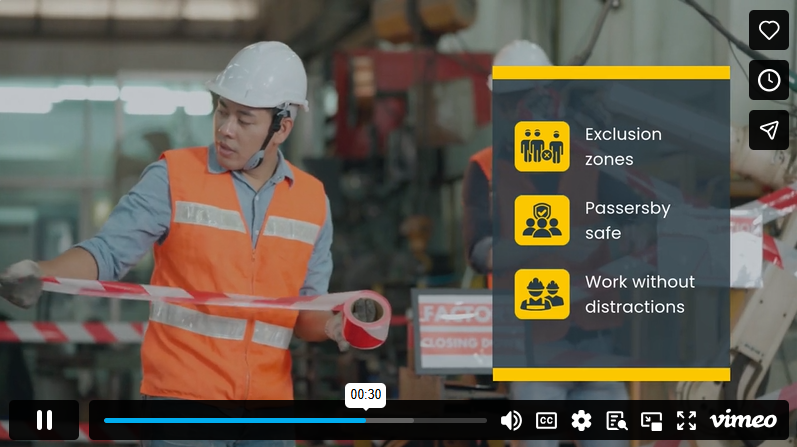
This module covers practical safety techniques for real warehouse scenarios, including ladder use and MEWP operation. It also explains how to prepare safe work areas and establish exclusion zones. Emergency response procedures are included to ensure workers know how to react during incidents.

This final module focuses on building a strong safety culture within warehouse teams. It highlights the importance of training, reporting hazards, and continuous improvement. Learners understand how regular reviews and feedback help maintain compliance and improve long-term workplace safety standards.

  • Conclusion

FAQs

1. What is Working at Height Training for warehouse staff?

This training teaches warehouse workers how to safely perform tasks above ground level. It includes ladder use, fall prevention, and equipment safety. The goal is to reduce accidents and improve workplace safety. It is essential for all warehouse environments.

2. Why is working at height dangerous in warehouses?

Working at height is dangerous due to the risk of falls, which can cause serious injury or death. Warehouses often involve ladders, racks, and elevated platforms. Without proper training, small mistakes can lead to major accidents. Awareness helps prevent these risks.

3. What equipment is used for working at height?

Common equipment includes ladders, step stools, mobile towers, and MEWPs. Each tool has specific safety rules and limitations. Workers must be trained to use them correctly. Improper use increases accident risks significantly.

4. What are UK Working at Height Regulations?

These regulations require employers to ensure all height-related work is properly planned and supervised. They also require safe equipment and trained staff. The aim is to prevent falls and injuries. Compliance is a legal requirement.

5. Who should take working at height training?

Anyone who uses ladders, platforms, or elevated equipment should take this training. This includes warehouse operatives, supervisors, and maintenance staff. It ensures safe working practices. It is essential for compliance and safety.

6. How often should working at height training be refreshed?

Training should be refreshed regularly, especially when procedures or equipment change. Many organisations recommend annual refresher courses. This ensures skills remain up to date. It also reinforces safe behaviour.

7. What is a fall protection system?

A fall protection system includes equipment like harnesses and anchor points. It prevents workers from falling or reduces injury if a fall occurs. Proper use is essential for safety. Workers must be trained before using it.

8. What should you do after a fall incident?

After a fall, emergency procedures must be followed immediately. The area should be secured and medical help called. The incident must be reported and investigated. This helps prevent future accidents.

9. What is a risk assessment in working at height?

A risk assessment identifies potential hazards before work begins. It helps decide what safety measures are needed. This includes equipment selection and control measures. It is a legal requirement in the UK.

10. Can untrained staff use ladders in warehouses?

No, untrained staff should not use ladders or any height equipment. Proper training is required to ensure safety and compliance. Untrained use increases the risk of serious accidents. Employers are legally responsible for training.

Course Curriculum

Introduction
Course Introduction 00:01:00
Module 1: Understanding Working at Height Risks
1.1 – Identifying Common Hazards 00:01:00
1.2 – Legal Responsibilities and Regulations 00:01:00
1.3 – Risk Assessment Basics 00:01:00
1.4 – Safe Work Practices 00:01:00
Reading Materials
Module 1 00:00:00
Module 2: Equipment and Safety Measures
1.4 – Safe Work Practices 00:01:00
2.1 – Types of Access Equipment 00:01:00
2.2 – Inspection and Maintenance 00:01:00
2.3 – Fall Protection Systems 00:01:00
2.4 – Personal Protective Equipment (PPE) 00:01:00
Reading Materials
Module 2 00:00:00
Module 3: Safe Working Procedures
3.1 – Preparing the Work Area 00:01:00
3.2 – Working Safely on Ladders 00:01:00
3.3 – Using Mobile Elevated Work Platforms (MEWPs) 00:01:00
3.4 – Emergency Response and Rescue 00:01:00
Reading Materials
Module 3 00:00:00
Module 4: Culture and Continuous Improvement
4.1 – Promoting a Safety Culture 00:01:00
4.2 – Training and Competency 00:01:00
4.3 – Reporting and Feedback 00:01:00
4.4 – Continuous Improvement 00:01:00
Reading Materials
Module 4 00:00:00
Course Conclusion
Conclusion 00:01:00
Working at Height Training for Warehouse Staff
ex Vat

SAVE 84% - OFFER ENDS SOON

TAKE THIS COURSE

OR

🔥 129 units sold in last 24 hours
  • Original price was: £125.00.Current price is: £20.00. ex Vat
  • 1 year
  • Course Certificate
  • 19 minutes
  • Gift this course
£20 /Unit Price
Total:
£100.00
Quantity:

Buying more than one of the same courses?

  • 50% discount for orders of 10+ courses
  • 60% discount for orders of 50+ courses
  • 70% discount for orders of 100+ courses

Looking for a more personalised package?

contact us now

Instructors

125 STUDENTS ENROLLED